 致電我們852-3596 7411
 WhatsApp+852 5509 4277
 電郵sales@igiftmore.com


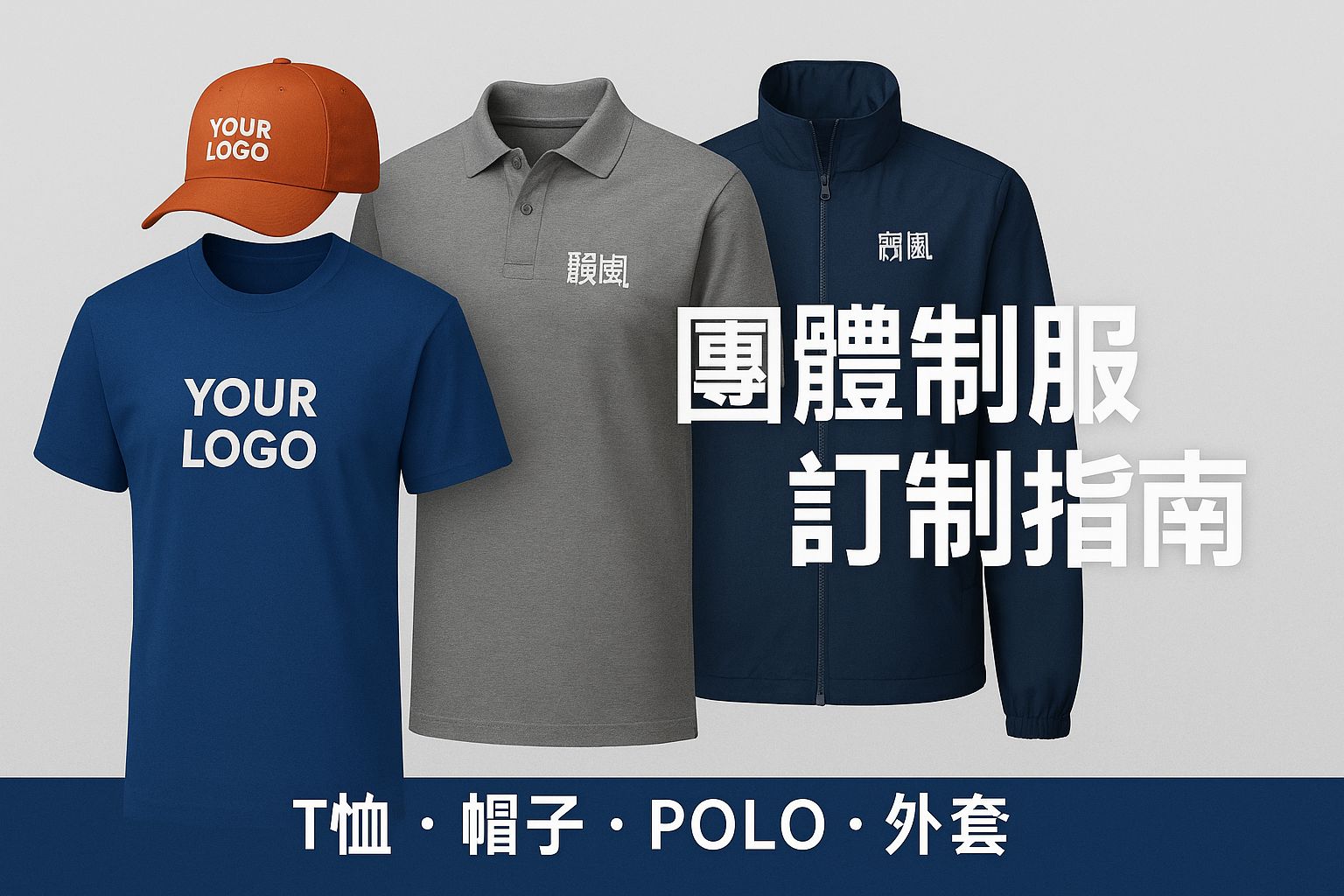
想為門市、展會或戶外團隊訂製制服?本指南以 2025 最新研究與香港氣候場景,深入解析 T恤、帽子、POLO、外套的布料剪裁與印繡方式(絲印、DTG、DTF/HTV、升華、刺繡),並提供採購流程、KPI 與實務風險控管。
提升品牌曝光與記憶:宣傳服飾屬於最高曝光的品類之一。研究指 T恤平均可帶來約 5,053 次曝光、帽類約 3,380 次、外套更高達 ~7,856 次(來源為 ASI 的 Ad Impressions Study 相關摘要與行業彙編)。這些曝光的「每次成本」極低,屬性價比極高。 unitwin.comsellerscommerce.com
員工與顧客體驗:PPAI 2023–2024 消費者調研顯示,74.6% 受訪者認同品牌贈品/制服有助得知活動與促銷,34% 的 Z 世代每週使用一次品牌物品;員工收到品牌物品時亦62% 感到被重視。ppai.org+2ppai.org+2
專業形象與信任:服務業研究指出,員工服裝/制服會影響顧客對品牌的互動與信任,並與員工滿意度、工作氛圍相關。科學直接ResearchGate
貼合香港氣候與場景:香港5–9月約佔全年 80% 降雨,夏季悶熱多雨,制服材質需兼顧排汗、快乾、防潑水;雨季與通勤亦令外套與帽類的「移動曝光」效果更明顯。hko.gov.hk
門市零售/餐飲/旅遊酒店:前線識別、服務一致性、衛生與安全。
展會/路演/社區活動:遠距識別、導流掃碼、團隊氣勢。
企業內部/迎新培訓/義工隊:凝聚力、歸屬感與照片素材。
物流/工程/戶外團隊:耐磨、防潑水、反光識別提高安全。
可量化的品牌觸達:依據 ASI / PPAI 數據,不同服飾品類有清晰的「終身曝光」與留存週期,可用於Impression per Dollar 估算投放回報。members.asicentral.comppai.org
提升顧客信任與服務體驗:制服一致性與專業感能改善員工-顧客互動與品牌關係。科學直接
員工歸屬與雇主品牌:收到品牌物品/制服可提升被重視感與團隊融入。ppai.org
內容與社交素材:團隊合照、門店日常、路演打卡,綁定QR/短鏈導流,變現為站內流量與名單。
適用:門市、展會、內部活動、禮品周邊
布料:
100% 棉(160–220gsm):手感佳、易印刷;悶熱環境可選混紡減少悶黏。
棉聚混紡 65/35:更快乾、不易變形。
功能纖維(Polyester 吸濕排汗):炎夏、運動/戶外首選。
版型:落肩寬鬆增時尚度;合身版適合門市整齊度。
曝光與留存:平均 ~5,053 次曝光(ASI)。unitwin.com
常用工藝:
絲網印(Screen Print)—高耐洗、大貨成本優;多色需分色製版。Printful
直噴(DTG)—細節/漸層佳、小量低起訂;深色布需前處理。Printful
DTF/熱轉印(含HTV)—機動性高、細字利落,正確施工可達 50+ 次水洗。stahls.com亞馬遜
升華(Sublimation,聚酯)—色牢度佳、全幅圖案;限淺色聚酯布。library.imaging.org
刺繡—小Logo 高級感、耐洗耐磨;大片圖案不建議。White House Custom Apparel & Graphics
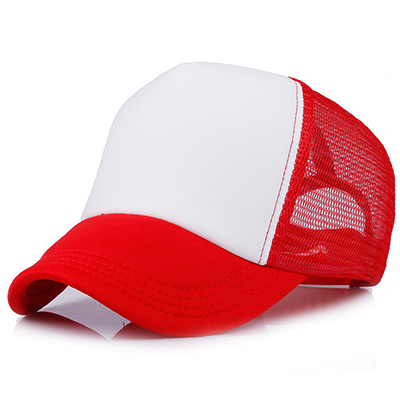
適用:戶外、物流、活動工作人員、贈品
結構:五片/六片、彎檐/平檐、網布後幅(夏天透氣)
曝光:平均 ~3,380 次曝光(ASI)。unitwin.com
工藝建議:
平繡/3D 立體刺繡:最耐用、立體精緻。White House Custom Apparel & Graphics
矽膠章/織章熱壓:立體科技感、耐磨。
轉印/DTF:小量多款、色彩自由;注意汗漬與UV環境耐久。
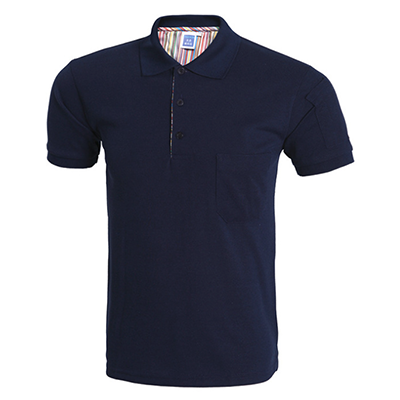
適用:門市、行政外勤、企業活動接待
布料:
珠地棉(Piqué Cotton):挺括透氣、正式度高。
功能POLO(Poly/Spandex):快乾、抗皺,適合香港夏季與戶外。
形象:兼顧「休閒+專業」,比T恤更莊重,顧客接待/商務展會首選。
工藝建議:胸前小Logo 刺繡最體面;袖章/領後可加小型轉印。
適用:通勤、戶外、物流工程、四季空調環境
香港氣候考量:雨季多、溫差大,防潑水/速乾/透氣尤重要。hko.gov.hk
曝光:外套屬於最高曝光類別之一(~7,856 次)。sellerscommerce.com
工藝建議:
刺繡(胸口/袖章)—耐磨耐洗、專業感最強。White House Custom Apparel & Graphics
反光轉印/TPU 貼標—戶外與夜間安全識別。
大面積絲印僅建議在風褸等平滑布面,注意防水塗層相容性。
| 工藝 | 特色與優點 | 局限 | MOQ/適配 | 耐洗性概念 |
|---|---|---|---|---|
| 絲網印 Screen | 大貨性價比高、色彩飽和 | 多色需分色製版;細線條要控制 | 中大單、T恤最佳 | 耐洗,但長年頻洗可能褪色。(Printful) |
| DTG 直噴 | 漸層細節佳、低起訂 | 深色需前處理、速度較慢 | 小單混款 | 取決於墨水與面料、護理得當可長期使用。(Printful) |
| DTF/熱轉印/HTV | 快速機動、細字利落、色數不限 | 透氣度略低;高溫環境要選抗染材 | 小到中單、姓名號碼 | 合規施工50+ 洗可達。(stahls.com, 亞馬遜) |
| 升華 Sublimation | 色牢度高、輕薄不手感、全幅可做 | 需淺色聚酯;棉料不適用 | 運動裝、活動衫 | 研究指出升華畫質與耐久度佳。(library.imaging.org) |
| 刺繡 Embroidery | 最耐用、高級感、立體度強 | 不宜超大面積或極細小字 | 胸章、帽前幅、外套 | 行業普遍認為可耐多次水洗且更持久。(White House Custom Apparel & Graphics) |
版位:胸前小Logo+背面口號;帽前幅/側幅、外套袖章做識別。
字級與對比:戶外距離 3–5 米亦清晰;避免細字過密。
QR/短鏈導流:活動期間上衣袖位或背面下擺置入 CTA,便於掃碼導流(結合 PPAI 對使用頻率與好感的研究)。ppai.org+1
洗標與保養:不同工藝附不同洗滌指示(如 DTF/HTV 建議冷水、反面洗,可 50+ 次水洗)。stahls.com
香港氣候版型:夏季主打吸濕排汗 POLO/T 恤;雨季加防潑水風褸與帽。hko.gov.hk
需求拆解:場景(門市/展會/戶外)→ 品類(T恤/帽/POLO/外套)→ 工藝(印/繡)→ KPI(曝光/導流/招募)。
物料與色管:Pantone 色校、關鍵版位 Size;聚酯布升華需做小樣確定色偏。library.imaging.org
尺碼分布:依歷史工時與性別比例做 S–3XL 配比,保留 5–10% 安全庫存。
打樣與測試:至少一次實物打樣+3–5 次洗滌測試再量產(特別是熱轉與直噴)。
香港天氣備援:雨季活動預留外套/帽款,物流團隊備反光轉印。hko.gov.hk
曝光:以 ASI 統計的「品類終身曝光」作估算參考(T恤/帽/外套差異)。unitwin.comsellerscommerce.com
到站:QR/短鏈+UTM 追蹤掃碼 UV、停留與轉化。
員工向心:新員工滿意度/自願穿著比率;內部活動出席率對比。
實物留存:以清洗/報修週期、補貨頻率衡量耐用性(刺繡通常更長壽)。White House Custom Apparel & Graphics
小量多款做什麼工藝? 直噴(DTG)或 DTF/HTV 更機動。Printful
運動/聚酯面料做滿版圖案? 升華最匹配、色牢度佳。library.imaging.org
最耐洗的胸前小Logo? 刺繡通常最佳,外套/帽亦建議刺繡。White House Custom Apparel & Graphics




 所有禮品
所有禮品
 熱門禮品TOP 100
 創意系列
創意系列
 品牌禮品
品牌禮品
 USB|數碼電子
 筆|文具|皮具
 印刷品|包裝
 廚房|家居用品
 服飾|毛巾|綜合
 杯|水樽|餐具
 水晶|獎牌|禮品套裝
 雨具|户外|四季
 袋|旅行
袋|旅行
 主題禮品
主題禮品













.png)

.png)
.png)
.png)
.png)








.png)




















.png)