 Call us852-3596 7411
 WhatsApp+852 5509 4277
 Emailsales@igiftmore.com


Finding the ideal Leather Customization process in Hong Kong can be somewhat confusing, but don’t worry, we will provide you with a comprehensive guide to help you create high-quality Leather Goods. From choosing the most suitable type of leather to creating a unique design, you will find all the necessary information here. Hong Kong is renowned worldwide for its high-quality leather, making your designs stand out. Whether you are looking for durable leather bags, exquisite belts, or stylish wallets, we will provide you with professional advice to help you realize your dream Leather Goods. Through this guide, you will understand the essence of Leather Customization and master the tips for selecting the best materials and styles. Are you ready to embark on your Leather Customization journey? Let’s set off on this wonderful journey of style and quality together!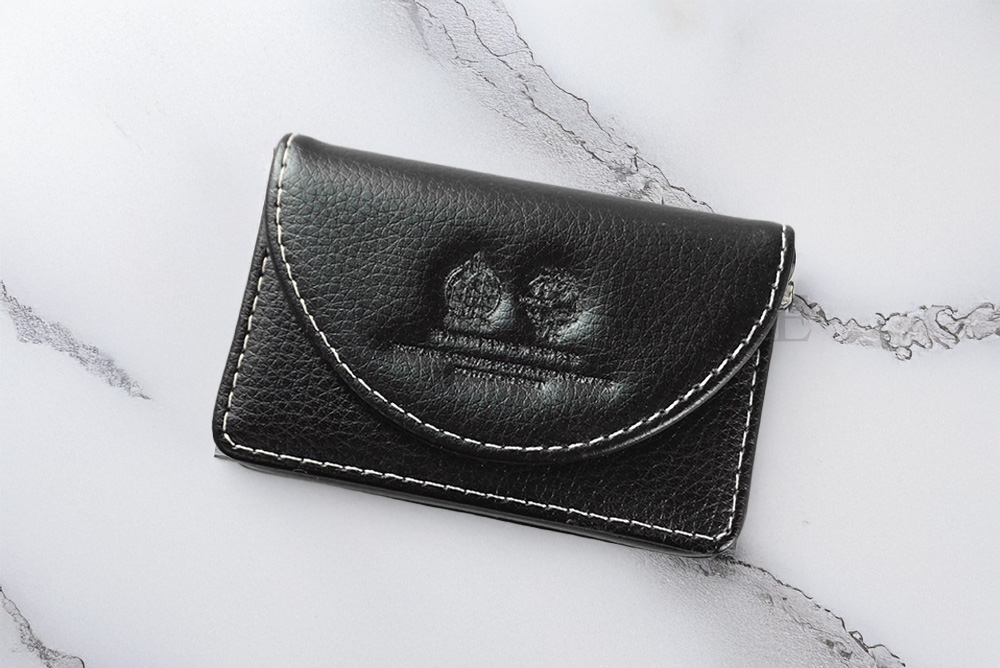
In the process of creating high-quality Leather Goods, selecting the right leather material is a crucial step. Different types of leather not only affect the appearance and texture of the final product but also determine its durability and functionality. For example, cowhide is widely loved for its toughness and abrasion resistance, while sheepskin is known for its softness and smoothness. For consumers pursuing fashion and quality, choosing the right leather material can make the product more attractive and valuable.
In addition to cowhide and sheepskin, there are various other leather options, such as pigskin, crocodile skin, and snake skin, each with its unique characteristics and usage scenarios. Pigskin is usually thicker and suitable for making large suitcases or backpacks, while crocodile skin, due to its rarity and unique texture, is often used for high-end luxury custom products. Understanding the characteristics of different leathers can help consumers choose the most suitable material based on their needs.
When choosing leather, it is also essential to consider the source and processing methods of the leather. High-quality leather typically comes from responsible sources and undergoes meticulous tanning processes. This not only affects the appearance of the product but also has significant implications for the environment and animal welfare. Therefore, selecting leather that meets ethical standards and environmental requirements allows consumers to enjoy high-quality products while contributing to sustainable development.
The Leather Customization process is usually complex and filled with creativity, requiring careful consideration and arrangement at every step, from the initial design concept to the completion of the final product. First, you need to communicate with professional leather manufacturers to share your needs and ideas. This stage is crucial for determining the product's functions, styles, and budget. After understanding your needs, the designer will provide preliminary design sketches based on your requirements to help you visualize the final product.
Once the design sketches are confirmed, the next step is to choose the leather material and color. This stage requires you to consider the practicality and aesthetics of the product. If you want to create a durable everyday bag, choosing thick cowhide would be a wise decision; if you are pursuing a lightweight fashionable handbag, you might consider using soft sheepskin. The designer will assist you in selecting the appropriate materials and colors to ensure the final product meets your expectations.
After completing the material selection, the manufacturer will begin cutting and sewing. This process typically requires professional skills and experience, as every detail will affect the texture and durability of the final product. At this stage, you may be invited to visit the workshop to learn about the production process and make adjustments and confirmations as necessary. Ultimately, when all steps are completed, your customized Leather Goods will be presented to you as desired, marking a moment worth looking forward to.
In leather customization, the choice of printing technology is crucial for the product's personalization and uniqueness. With technological advancements, modern printing techniques are no longer limited to traditional hand printing but also include digital printing, heat transfer, and various other methods. Each printing technology has its unique advantages and applicable scopes, and selecting the appropriate printing technology can allow your Leather Goods to showcase richer visual effects and creativity.
Digital printing technology can directly print on the leather surface, allowing for high-resolution patterns and colors while meeting the needs of small batch customization. This is particularly suitable for designs that require quick production, such as limited edition products or commemorative items for special events. On the other hand, heat transfer technology is suitable for large-scale production, ensuring the durability and abrasion resistance of patterns while maintaining vibrant colors. Choosing the appropriate printing technology based on your needs can greatly enhance the quality and aesthetics of the product.
When considering printing technology, it is also essential to pay attention to the complexity of the design and color coordination. Some printing technologies may not perform well with complex patterns or multi-layered colors, so these limitations should be considered during the design process. Maintaining good communication with the designer ensures that the design aligns with the chosen printing technology, helping to avoid unnecessary issues during production and ultimately achieving the desired effect.
Pigskin is a special type of leather material commonly used in high-end custom products. Its unique texture and luster give pigskin Leather Goods a luxurious feel and artistic value. When selecting pigskin products, you need to consider multiple aspects, including design style, purpose, and budget.
First, the design style is an important consideration when choosing pigskin. Depending on your personal taste and usage needs, selecting the appropriate design can make your Leather Goods more personalized. For example, if you prefer a minimalist style, you might consider choosing light-colored pigskin paired with a simple design; if you favor a glamorous style, you could opt for dark-colored pigskin and incorporate exquisite decorative elements.
Secondly, the purpose of the pigskin will also influence your choice. If you plan to create a bag for everyday use, you need to choose a more abrasion-resistant pigskin to ensure its durability in daily use; if it’s a custom evening bag for special occasions, you can select a more artistic design to enhance the overall fashion sense. Finally, budget is also a crucial factor when choosing pigskin products. Since pigskin is usually more expensive, it is essential to plan reasonably to ensure that you do not exceed your budget. Throughout this process, maintaining good communication with the manufacturer can help you find the right balance, meeting your needs without causing financial strain.
Color plays an extremely important role in the design of Leather Goods, as it affects the product's appearance and conveys the user's personality and taste. When selecting colors for Leather Goods, you can consider seasonal trending colors or choose based on personal preferences. Currently popular colors in the market are often influenced by fashion trends, such as soft pinks, classic blacks, and earth tones, which are common choices. These colors not only pair well with various clothing but also showcase different style characteristics.
If you want to create a timeless piece, classic black or brown would be ideal choices, as they suit various occasions and do not easily go out of style. Additionally, you can opt for bolder colors to express your personality, such as bright red or lake blue; these colors can help your Leather Goods stand out among many products.
When choosing colors, it’s also important to consider the characteristics of the leather material, as some colors may not perform as expected on certain materials. Therefore, it is advisable to engage in thorough discussions and experiments with the designer when selecting colors. Ultimately, the choice of color can also reflect the user's emotions and mood. Soft tones often give a comfortable and calming feeling, while vibrant colors can create a lively and positive atmosphere. Thus, choosing the right color is not only about aesthetics but also about expressing your emotions and style.
Designing company-specific Leather Goods is a challenging yet creative process. When companies choose customized Leather Goods, they usually hope to showcase their brand image and values, which requires careful consideration in the design. First, you need to conduct an in-depth analysis of the company's brand positioning to determine which elements can reflect the core values of the brand.
In the design process, incorporating brand identifiers is a key factor. Companies can choose to print their brand logos, slogans, or other identifying elements on the Leather Goods to enhance brand recognition. Additionally, the use of brand colors is also an indispensable part of the design, which can visually align the product with the brand image, enhancing the overall professionalism and unity.
Besides brand elements, the functionality of the product must also be considered. Company-specific Leather Goods are often used for promotions, gifts, or employee benefits, so the practicality and comfort of the product must be ensured. In the design, you can choose designs that meet user needs, ensuring convenience and durability in daily use. By closely collaborating with designers, you can achieve Leather Goods designs that align with both brand image and practical value.
In the Leather Customization process in Hong Kong, every detail can affect the quality and value of the final product. From choosing the right leather material to designing unique printed patterns, effective communication and collaboration between consumers and designers are essential. With the growing demand for personalized customization, the leather market in Hong Kong will witness more innovations and challenges.
In the future, with technological advancements, digital and automated technologies will play an increasingly important role in leather customization. Consumers will be able to design and order Leather Goods more conveniently through online platforms, leading to a more efficient personalized customization experience. This trend will enable more consumers to participate in creating their dream Leather Goods, enhancing overall satisfaction.
In summary, the Leather Customization market in Hong Kong is full of opportunities and possibilities. Whether you are a quality-seeking consumer or a business looking to create a unique brand image, there are optimal solutions available for you here. Let’s look forward to the future of leather customization, embarking on an exploration filled with creativity and quality!
Finding the ideal Leather Customization in Hong Kong may seem confusing, but don’t worry. After reading this comprehensive guide, you will be equipped to create high-quality Leather Goods. From selecting the most suitable leather materials to creating unique designs, you will find all the necessary information here. Whether you are looking for durable leather bags, exquisite belts, or stylish wallets, we will provide you with professional advice to help you realize your dream Leather Goods. Through this guide, you will fully understand the considerations of leather customization.




 All Gifts
 Hot Gifts TOP 100
 Creative Gifts
 Brand Gifts
 USB|Electronic Digital Gifts
 Pen|Stationery|Leather
 Printed Matter|Package
 Kitchen|Houseware
 Clothing|Towels|General
 Cup|Water Bottle|Tableware
 Crystal|Medal|Gift Set
 Rain Gear|Outdoor|Four Seasons
 Bag|Travel
 Theme Gifts










.png)
.png)
.png)
.png)
.png)